




Ask for a Quote Today!
We focus on giving every customer an exceptional experience by prioritizing reliable and transparent service. Reach out today to schedule your appointment.
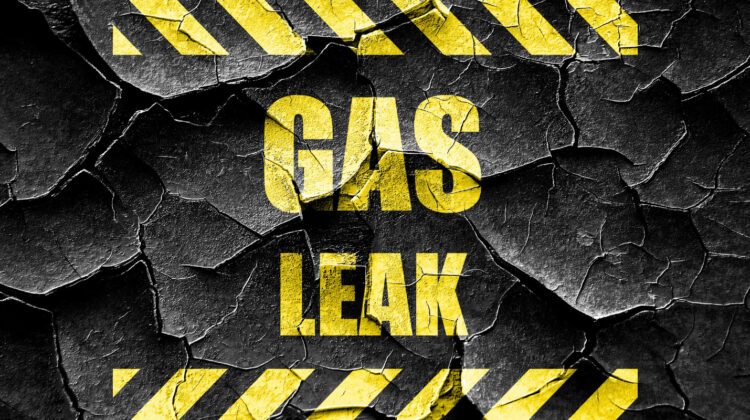
Will a Carbon Monoxide Detector Detect a Natural Gas Leak?
While it’s great that you’ve installed carbon monoxide detectors in your home, it’s important to understand their functionality. A common question is whether a carbon monoxide detector will also detect a natural gas leak. The answer is no, and here’s why.
Carbon monoxide (CO) is often referred to as the ‘silent killer’ because it’s odorless and colorless, making it virtually undetectable. This highly poisonous gas, when inhaled, can lead to brain damage or even death. The most common cause of a carbon monoxide incident is a malfunctioning furnace or gas appliance. That’s why every home with gas-powered appliances should have carbon monoxide detectors installed. These detectors can save lives by alerting occupants to the presence of CO. If a carbon monoxide detector sounds an alarm, it’s crucial to evacuate the premises immediately and call 911.
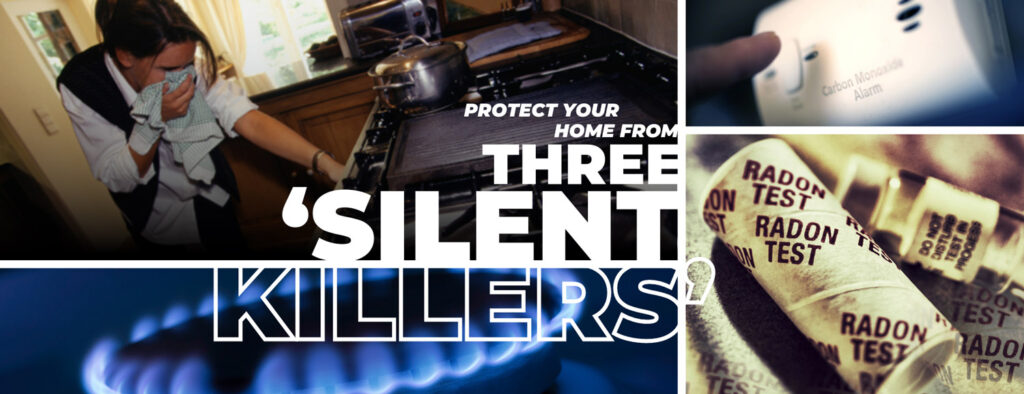
Natural gas, like carbon monoxide, is also odorless and colorless by nature. However, gas utilities add an odorant to it so that any leaks can be detected immediately. Unlike carbon monoxide, natural gas has a distinct, sulfuric odor reminiscent of rotten eggs. Inhaling natural gas can lead to symptoms such as headaches, nausea, dizziness, shortness of breath, and flu-like symptoms. While not as immediately dangerous as carbon monoxide, the greater risk with natural gas lies in its flammability, potentially leading to explosions.
If you suspect a natural gas leak:
Radon, like carbon monoxide, is an odorless and colorless gas. It seeps up from the ground and can be found in every home. Shockingly, one in every fifteen homes has an elevated level of radon, posing a serious health risk. Prolonged exposure to radon can lead to lung cancer.
To protect yourself and your loved ones, it’s essential to test for radon. You can obtain a test kit from the American Lung Association or your local hardware store. It’s important to note that your carbon monoxide detector will not detect radon.
If the test reveals elevated levels of radon in your home, it’s crucial to take action. This may involve repair work on your foundation and/or improving ventilation to mitigate the radon levels.


4.97 out of 485 reviews

We focus on giving every customer an exceptional experience by prioritizing reliable and transparent service. Reach out today to schedule your appointment.
Save more and stress less with our Handy Advantage Partner Plan membership. Get priority service, exclusive perks, and added value on every visit, year-round protection included.